Dead Branch Removal in Reno, NV
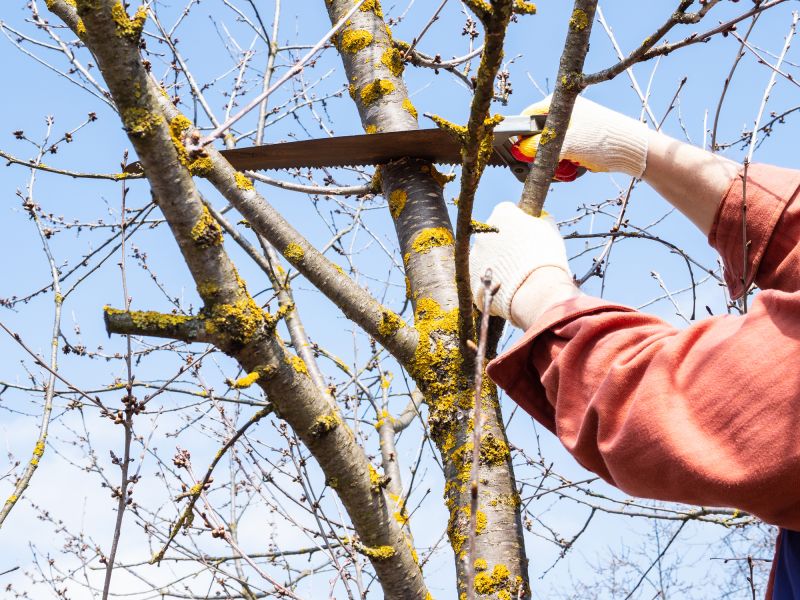
Dead branch removal services involve safely trimming or removing dead, broken, or hazardous branches from trees on residential properties. This process helps maintain the health and appearance of trees, reduces the risk of falling limbs causing damage or injury, and improves overall property safety. Projects typically include removing dead or diseased branches, thinning out dense canopies, and pruning to prevent future hazards, especially in areas where overhanging branches threaten structures, power lines, or walkways.
Homeowners considering dead branch removal should understand the importance of assessing which branches pose risks and how the process can enhance tree health and safety. It’s common to request this service when dead limbs become visually prominent, after storms cause damage, or as part of regular tree maintenance. Property owners often want to know about the scope of work involved, the potential impact on tree growth, and any precautions needed to protect surrounding landscaping during the removal process.
Many property owners in Reno, NV look into Dead Branch Removal for repairs, replacements, upgrades, and appearance-related improvements.
Safety And Property Protection
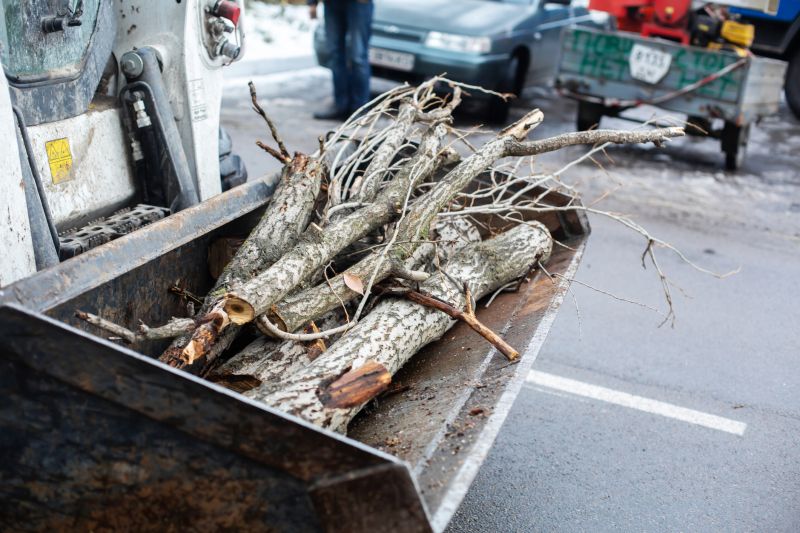
Removing dead branches helps prevent damage to structures and reduces safety hazards on your property.
Tree Health And Aesthetics
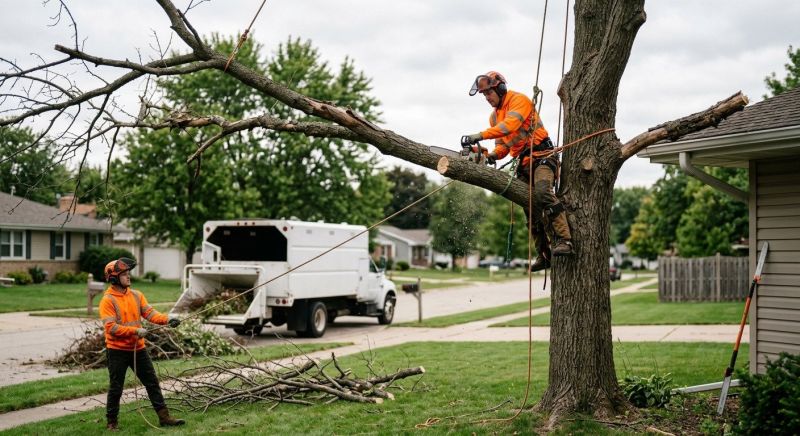
Pruning dead branches promotes healthier trees and improves the overall appearance of your landscape.
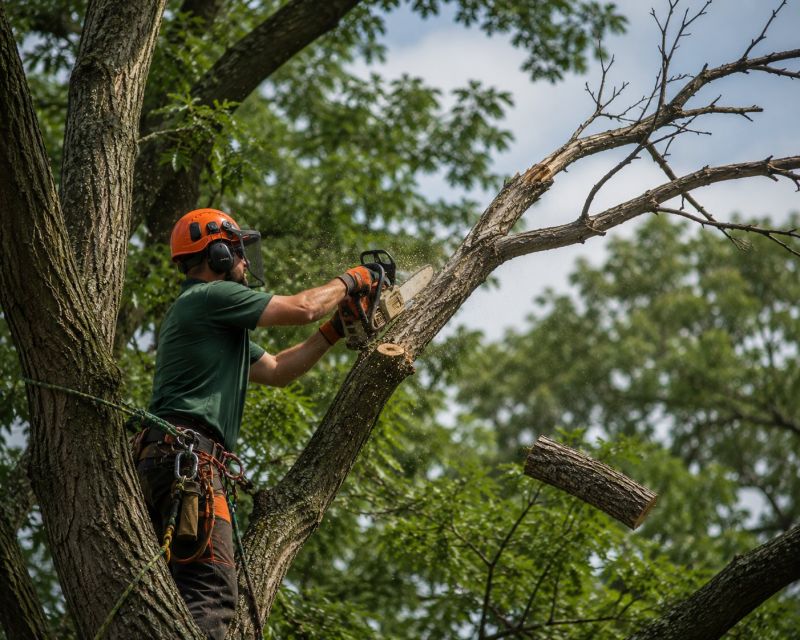
Preventing Pest Infestations
Eliminating dead wood reduces places for pests and diseases to thrive, supporting tree vitality in reno, nv.
Dead Branch Removal in Reno, NV
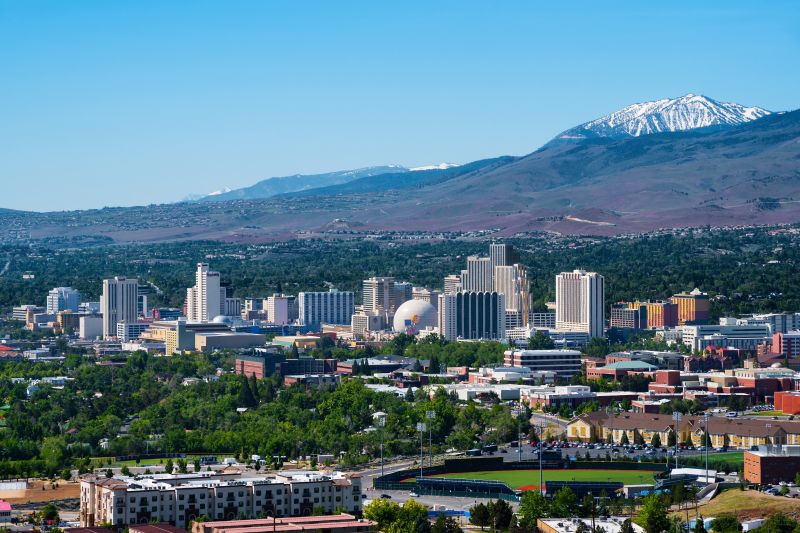
Dead branch removal services involve safely trimming or removing dead, broken, or hazardous branches from trees on residential properties. This process helps maintain the health and appearance of trees, reduces the risk of falling limbs causing damage or injury, and improves overall property safety. Projects typically include removing dead or diseased branches, thinning out dense canopies, and pruning to prevent future hazards, especially in areas where overhanging branches threaten structures, power lines, or walkways.
Homeowners considering dead branch removal should understand the importance of assessing which branches pose risks and how the process can enhance tree health and safety. It’s common to request this service when dead limbs become visually prominent, after storms cause damage, or as part of regular tree maintenance. Property owners often want to know about the scope of work involved, the potential impact on tree growth, and any precautions needed to protect surrounding landscaping during the removal process.
Many property owners in Reno, NV look into Dead Branch Removal for repairs, replacements, upgrades, and appearance-related improvements.
Common Dead Branch Removal Jobs
Dead Tree Removal - safely removes trees that pose a risk of falling or damage.
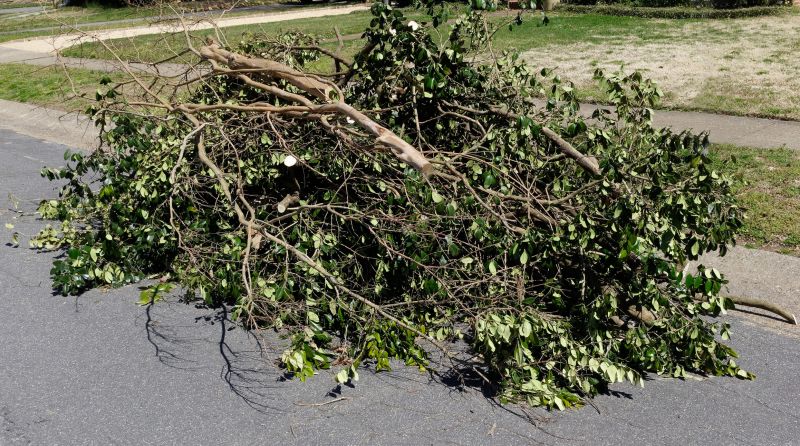
Storm-Damaged Branch Cleanup - clears broken or fallen branches after severe weather events.
Overgrown Branch Trimming - reduces excessive growth to prevent interference with power lines and structures.
Hazardous Branch Removal - eliminates weak or decayed branches that could break and cause damage.
Property Clearance - removes dead branches to improve yard safety and appearance.
Tree Crown Thinning - reduces branch density for better air flow and overall tree health.
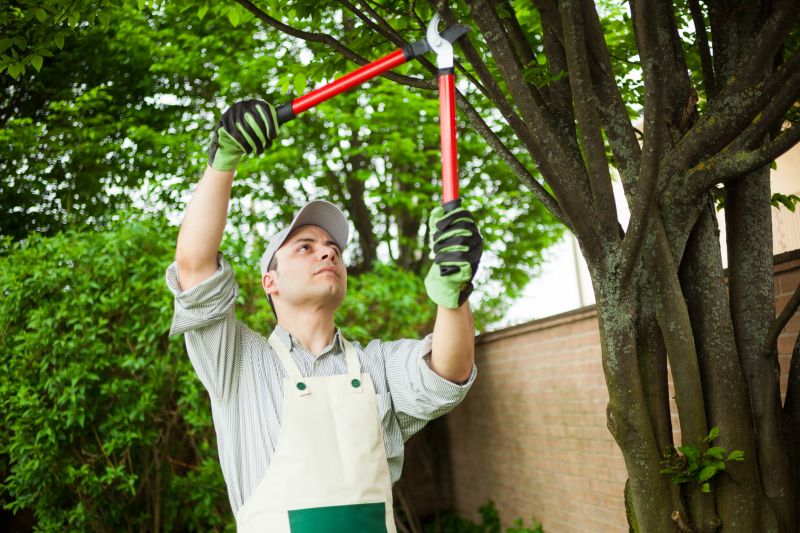
Dead Branch Removal Questions
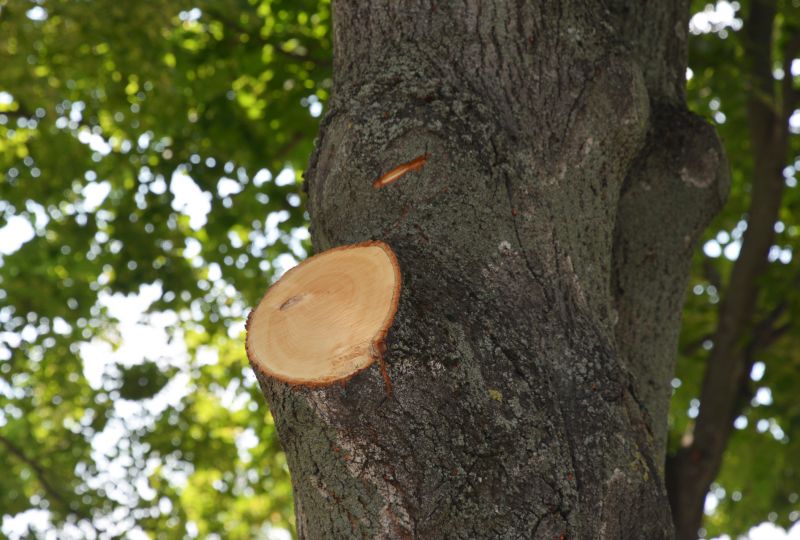
What are dead branches? Dead branches are tree limbs that have lost their vitality and no longer support healthy growth, often appearing dry or brittle.
Why remove dead branches? Removing dead branches helps prevent potential damage to property and reduces the risk of falling debris.
When is the best time for dead branch removal? Dead branch removal can be performed anytime when the branches pose a hazard or show signs of decay.
What tools are used for dead branch removal? Professional services typically use pruning saws, shears, and safety gear to safely remove dead branches from trees.
Request Dead Branch Removal in Reno, NV
Use the quote form on this page to share the basics of your project and request more information for the type of work you need.